Depression Treatment in Haymarket and Virginia
You can be working, parenting, answering messages, and getting through everything people expect from you while feeling almost nothing. That still matters.
Depression is not reserved for the version of yourself that makes it impossible to get out of bed. Sometimes it looks like sadness. Sometimes it looks like irritability. Sometimes it looks like losing interest in things you used to care about. And sometimes you are functioning well enough that no one else realizes how different you feel.
Rituality Wellness provides psychiatric evaluation and medication management for adolescents ages 12 and older and adults. We see patients in person in Haymarket and through telehealth throughout Virginia.
Depression treatment starts by understanding what is actually happening, what may be contributing to it, and what kind of treatment makes sense for you.
NIMH estimates that only about 61 percent of US adults who had a major depressive episode received treatment for it. Nearly four in ten went without. You don’t have to suffer quietly waiting for it to “pass.”
What Does Depression Treatment Involve?
Depression treatment is not one thing. For some people, psychotherapy is the right place to begin. For others, medication may be appropriate. Some people benefit from both. The treatment plan depends on the severity of symptoms, medical history, previous treatment, preferences, and the clinical picture as a whole. At Rituality, we focus on the psychiatric side of that care..
Most people arrive expecting a prescription and a follow up in six weeks.
A useful plan looks wider than that. Sleep, thyroid function, alcohol, other medications, grief, chronic pain, and untreated anxiety, just to name a few, all enhance what treatment could include. A useful depression treatment plan also looks beyond the prescription itself.
People searching depression treatment services are usually trying to work out who to see first. NIMH describes psychotherapy, medication, or a combination of the two as common treatments for depression. For milder depression, psychotherapy is often tried first, while medication is commonly included earlier when depression is moderate or severe. National Institute of Mental Health. The goal is not simply to treat the word depression.
It is to understand what is producing the symptoms in the person sitting in front of us. To truly support your journey.
Does Any of This Sound Familiar?
People come to us for very different reasons.
“I have been on the same antidepressant for years and I am not sure it does anything.”
Maybe it helped once. Maybe you can’t tell whether it ever did. Maybe the dose has stayed the same for years while your life, symptoms, sleep, health, or other medications changed around it.
A medication review can help clarify what the medication was intended to treat, whether it is still helping, and whether something else deserves attention.
“I am fine at work and empty the moment I get home.”
Functioning is not the same thing as feeling well. Some people keep meeting deadlines, caring for children, going to work, and answering everyone else’s questions while gradually losing interest, pleasure, energy, or connection in the rest of their lives. Being productive does not rule out depression.
“I do not know if this is depression or just a hard year.”
That can be a difficult distinction to make from the inside. You may have very real reasons to feel sad, exhausted, angry, or overwhelmed. The presence of a stressor does not automatically rule depression in or out.
The questions become:
How intense are the symptoms? How persistent are they? How much has sleep, appetite, concentration, interest, energy, or functioning changed? And do the symptoms seem proportionate to what is happening, or have they begun taking on a life of their own?
“My teenager has stopped seeming like themselves.”
Depression does not always look the same in adolescents as it does in adults. Young people may become more irritable, withdrawn, tired, disconnected from friends, or suddenly less engaged in school and activities.
Rituality evaluates and treats adolescents beginning at age 12, with parents involved appropriately based on age, circumstances, safety, and the type of care.


Is This Depression, or a Bad Stretch?
Major depression generally involves depressed mood or loss of interest or pleasure most of the time for at least two weeks, along with other symptoms such as changes in sleep, appetite, energy, concentration, feelings of worthlessness or hopelessness, or thoughts of death or suicide. Symptoms also cause meaningful distress or interfere with daily functioning. National Institute of Mental Health But not every painful period is major depressive disorder.
People search the difference between depression and feeling down because the line genuinely is not obvious from the inside.
Grief. Relationship loss. Chronic stress. Job problems. Medical illness. Financial strain.And trauma can all produce significant symptoms.
A clinical evaluation looks at the severity, duration, pattern, impairment, history, and context rather than relying on whether there was an obvious trigger.
Physical symptoms can also be part of depression. Some people first notice changes in appetite, sleep disruption, or fatigue. Other subtle symptoms include difficulty concentrating, reduced sexual interest, and unexplained aches or physical slowing. But none of those symptoms proves depression by itself.
Medical conditions and medications can sometimes produce similar symptoms, which is why thyroid disease, sleep disorders, medication effects, substance use, and other medical factors may need to be considered.
Chronic depression vs situational depression is the same question in other words. Symptoms that lift when circumstances change point one way. Symptoms that persist after the circumstance resolves point to another.
Physical signs often arrive before anyone uses the word depression. Depression lack of appetite is a common search. So are is no appetite a sign of depression, loss of appetite from depression and is crying in your sleep a sign of depression.
None of those symptoms confirms anything alone. A proper differential diagnosis for depression also appropriately considers alternative factors like thyroid disease, anemia, and sleep disorders. So does quality depression treatment and evaluation. Consideration of medication effects, substance use, bipolar disorder, anxiety, and ADHD all belong in the same review by a clinician who spends the time listening.
How Long Does Depression Last?
People understandably want a timeline. Unfortunately, there is not one number that applies to everyone. Depressive episodes vary in duration and severity. Some improve relatively quickly. Others last much longer or recur over time. Treatment, symptom severity, sleep, stress, medical conditions, substance use, social support, and co-occurring psychiatric conditions can all affect the course. Early follow up matters for that reason.
How long do depressive episodes last and how long can depression last are the most searched questions here. People want a timeframe they can plan around. How long does depression usually last has no single answer.
One term worth correcting: stage 4 depression is not a clinical staging system. Depression does not use a standard Stage 1 through Stage 4 system in the way some medical illnesses do. Clinicians are more likely to describe the disorder by diagnosis, episode, severity, recurrence, chronicity, psychotic features, or other clinical characteristics.
What Happens at Your First Appointment?
A first psychiatric evaluation is about understanding the whole picture. It asks aboutwhat brought you in, your current sleep habits, energy, concentration, even past episodes, family history, medical conditions, every medication you take, and what you have already tried. Our goal is that you come out of an evaluation feeling heard and with a plan.
People search what does a psychiatrist do for depression and hear about ten minute prescription visits. A full evaluation takes longer because we want to understand the person’s experience since it determines the treatment formulation ongoing.
If bipolar disorder is a possibility, antidepressant treatment requires additional clinical consideration because treatment recommendations differ from those for unipolar depression. We take our time and consider your case specifically when making recommendations.
We prescribe and manage medication. We do not provide talk therapy in house. When therapy is recommended we refer and coordinate with a therapist.
What If Your Antidepressant Has Stopped Working?
There are several possible explanations. The medication may not be the right fit. The dose may need review. The medication may not have been taken long enough to assess adequately. Side effects may be limiting treatment. The original diagnosis may need another look. And, sometimes a medication that once worked is no longer providing the same benefit. Structured and consistent medication reviews can be meaningful to successful ongoing treatment.
Why aren’t my antidepressants working is one of the most common reasons adults book a second opinion.
It rarely means nothing will work. It often means the first attempt was never pushed to an adequate dose. Sometimes it was aimed at the wrong target.
Living with treatment resistant depression does not mean you can’t be treated. NIMH describes treatment-resistant depression as depression that has not improved after at least two antidepressant trials. Other clinical and research definitions may specify whether those trials were adequate in dose, duration, and adherence. National Institute of Mental Health. Having someone thoughtfully review your history is a step toward finding a treatment that could work.
Searches like how to get out of a depressive slump and getting out of a depressive episode show just how stuck this can feel. Structure, sleep, movement, and connection all help.
Medication management at Rituality Wellness includes reviewing what you have already tried, not just repeating it.
In Person in Haymarket, or Telehealth Across Virginia
We see patients in person at our Haymarket office and by secure video anywhere in Virginia. Telehealth suits medication follow ups and anyone managing work, childcare or a long commute. Either way you see the same clinician each time.
People search therapy near me depression, telehealth therapy near me and psychiatrist near me telehealth. Access can be a real barrier, not willingness.
Others search in person psychiatrist or psychiatrist near me specializing in anxiety and depression. They want a room rather than a screen. Both are available here.
Searches for mental health agencies near me often return large systems with long waits. A smaller practice can usually get you a first appointment sooner and keep you with coordinated clinical care.
Telehealth psychiatry covers the whole state. Our Haymarket office is convenient to Gainesville, Bristow, Centreville, South Riding and Aldie. See all the areas we serve.
When It Is Someone You Love
Sometimes the person looking for help first is not the same person experiencing the symptoms. It is a parent. A spouse. An adult child. Or someone else who has watched a person they care about gradually withdraw from the life around them. Depression may affect relationships through irritability, withdrawal, fatigue, reduced interest in sex, difficulty participating in responsibilities, or simply having less emotional energy available.
You can encourage someone to seek care. You can help them find support and treatment. You can listen. You can help them book an appointment. But an adult patient generally needs to participate in and consent to their own treatment. If someone is in immediate danger or cannot stay safe, do not wait for a routine appointment.
Call 911 or go to the nearest emergency department for a life-threatening emergency. Call or text 988 for the Suicide & Crisis Lifeline if you or someone you know is experiencing suicidal thoughts or an emotional crisis.

How Rituality Wellness Can Help
Rituality Wellness provides depression and mood disorder care for adolescents ages 12 and older and adults.
Our clinicians look beyond a symptom score. Evaluation considers how long symptoms have run, past episodes, sleep, appetite, energy and concentration. It also covers anxiety, attention, medical history, every current medication, substance use and what has already been tried.
Depression treatment here is individualized. That may include medication when appropriate. But it means that we look beyond the symptoms to hear the person experiencing the condition.
We are transparent about cost and coverage before you arrive. We have a thorough intake process that helps to ensure our time is spent discussing treatment rather than billing. Current details sit on our insurance and fees page.
If you are in crisis or having thoughts of harming yourself, do not wait for an appointment. Call or text 988 or use our crisis resources page.
In-person psychiatric care is available in Haymarket, convenient to Gainesville, Bristow, Centreville, South Riding, Aldie and nearby Northern Virginia communities. Telehealth psychiatric care is also available throughout Virginia. Contact us at (703) 249-9835 if you’d like to book your first meeting. You can also book an appointment directly on our website.


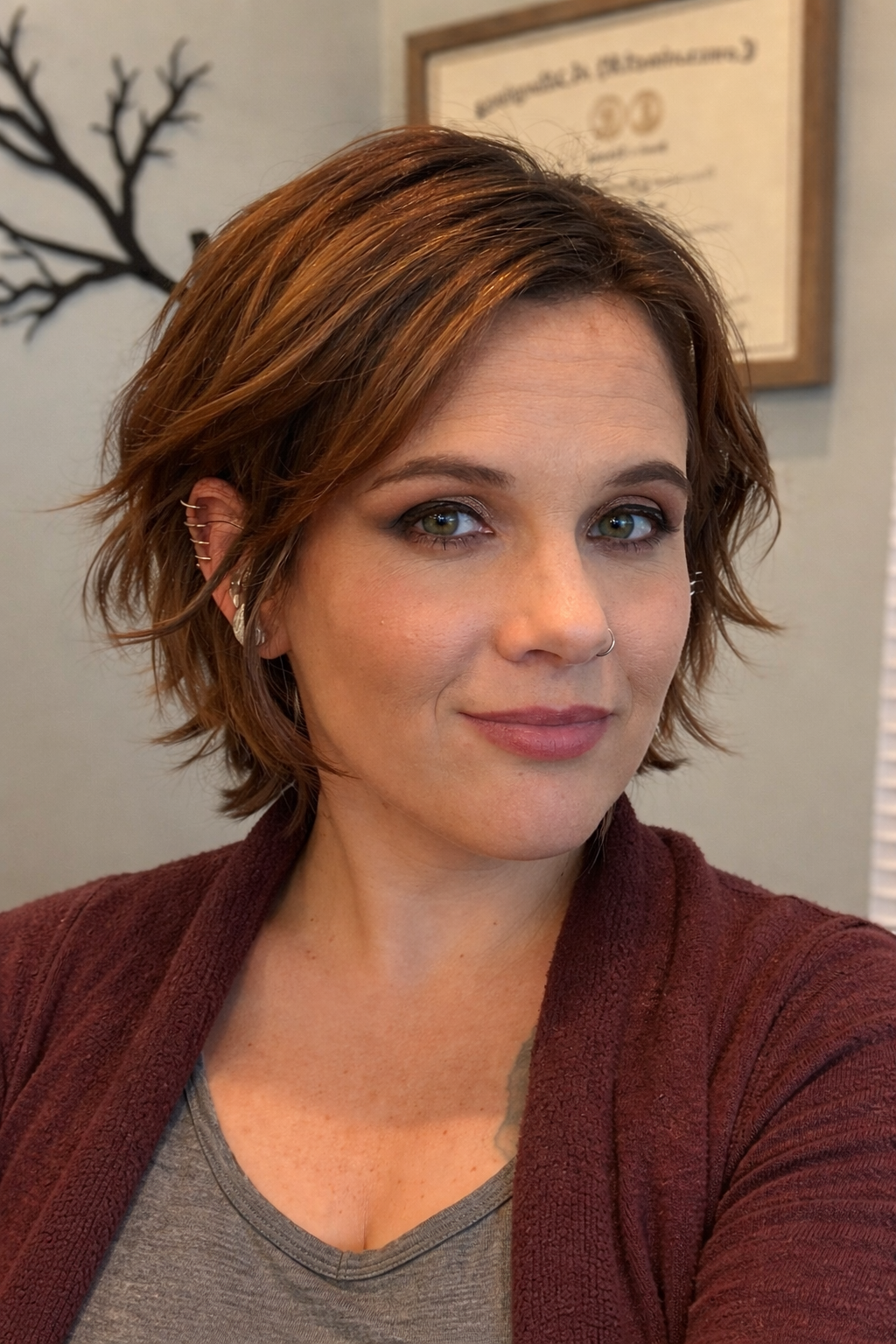
Meet Hayley Johnson, PMHNP-BC
Hayley Johnson is a board-certified psychiatric mental health nurse practitioner and the founder of Rituality Wellness.
She brings nearly two decades of nursing experience. That spans medical-surgical care, residential psychiatric care, brain injury rehabilitation, community mental health, home care and hospice leadership. Her clinical interests include mood and anxiety disorders, ADHD, trauma-informed care and whole-person treatment.
The name Rituality represents the power of small, intentional actions that support healing and growth. You can read more on our About Us page or see the full list of services we provide.

Frequently asked questions
How long does depression treatment take to work?
Depression treatment depends on the formulation strategy and the individual. Antidepressants generally require several weeks before their full effect can be judged, although some symptoms may begin changing sooner. Psychotherapy timelines vary based on the type of treatment, symptom severity, goals, and individual response.
How long do depressive episodes last without treatment?
There is no single duration. Episodes vary considerably, and some people experience recurrent or persistent depression. If symptoms have lasted at least two weeks and are affecting daily functioning, it is reasonable to seek evaluation rather than waiting for a particular amount of time to pass.
Do I have to take medication?
No. Medication is one treatment option. People search non drug therapy for depression, what kind of therapy do I need, and why go to therapy for good reason. Psychotherapy can be incredibly helpful for managing depression. We can coordinate care with an outside psychotherapy clinician while jointly monitoring progress. This can be especially helpful when symptoms become more severe, functioning changes, or the treatment plan needs to adapt across different types of care.
Can you treat depression and anxiety at the same time?
Yes. Depression and anxiety commonly occur together. A psychiatric evaluation can assess both rather than assuming every symptom comes from one diagnosis.
Do you see teenagers?
Yes. Rituality provides psychiatric care for adolescents beginning at age 12. Assessment may include mood, anxiety, sleep, school functioning, social changes, substance use, family history, safety, medical factors, and developmental context.
Start With One Appointment
You do not need to know which diagnosis fits before you call.
You need an evaluation that looks at the whole picture and tells you what could actually be going on. Honesty and transparency matter when it is your health on the line.
Depression treatment works best when it starts early, stays focused on the right clinical targets, and is built collaboratively around the person’s needs and goals. Book an appointment or call (703) 249-9835.